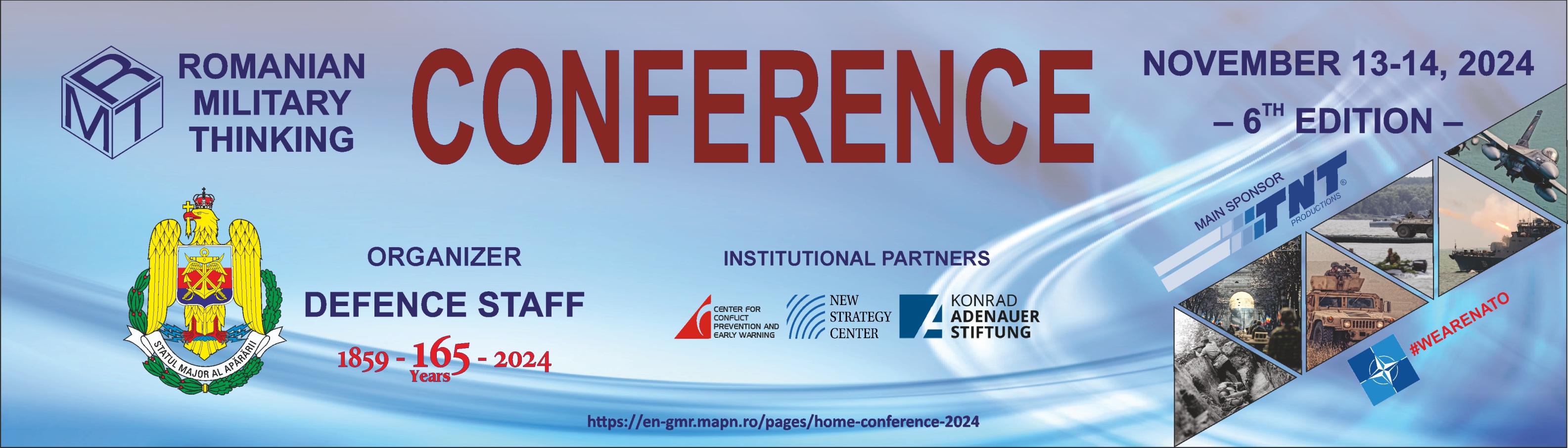
Joint Military Exercises and Enhanced Cooperation
between NATO Countries and Regional Partners
“If you want peace, prepare for war” – Si vis pacem, para bellum – is an old Roman author citation. Due to the present security environment, multinational joint military exercises are one of the pillars of our collective defense. Military campaign and operations success depend on the common effort of all forces, acting together under a unique command. The joint approach and optimal use of all capabilities provide a maximum efficiency of the Force.
Joint military exercises between NATO (North Atlantic Treaty Organization) countries and regional partners are critical tools for strengthening defense capabilities, interoperability, and strategic cooperation. These exercises involve coordinated military activities such as training maneuvers, simulations, and live-fire drills, allowing NATO members and their partners to enhance readiness and response to potential threats. By bringing together different military units, technologies, and doctrines, these exercises improve communication, adaptability, and trust between forces with diverse backgrounds.
NATO’s regional partners typically include non-member countries that have strategic relevance or share mutual security interests. These include partnerships with nations in Europe (e.g., Finland, Sweden before they joined NATO), the Mediterranean (e.g., Israel, Egypt), the Middle East (e.g., Jordan, Qatar), and Asia-Pacific (e.g., Australia, Japan). The scope of these exercises can range from conventional warfare simulations to counter-terrorism, cyber defense, disaster relief, and maritime security.
Key Benefits of Joint Military Exercises:
- Interoperability: Enhancing coordination among armed forces with different standards and equipment, ensuring that they can work seamlessly together in crisis situations.
- Readiness: Maintaining high levels of preparedness to respond quickly to emerging threats, whether conventional or hybrid.
- Deterrence: Demonstrating military capabilities and cohesion to deter potential adversaries and reinforce NATO's collective defense posture.
- Capacity Building: Assisting regional partners in modernizing and professionalizing their military forces.
- Strategic Partnerships: Strengthening diplomatic and military ties between NATO and key regional actors, fostering collaboration on a range of security issues.
Examples of Joint Military Exercises:
- Trident Juncture: One of NATO’s largest exercises, involving tens of thousands of troops from member states and partners, focusing on defense and deterrence.
- BALTOPS: A large-scale maritime exercise in the Baltic Sea, involving NATO and regional partners to ensure stability in the region.
- Defender-Europe: U.S.-led NATO exercise in Europe aimed at enhancing the U.S. military's ability to rapidly deploy forces across Europe in the event of a crisis.
Topics for Debate:
- Effectiveness of Joint Exercises in Addressing Modern Security Threats:
- Multinational Joint Military Exercises – a pillar of collective defense
- Are traditional military exercises enough to address emerging challenges like cyber warfare and terrorism?
- Should joint military exercises prioritize hybrid threats or remain focused on conventional military operations?
- Balancing National Sovereignty with Collective Security:
- The importance and benefits of Multinational Joint Military Exercises
- To what extent should NATO countries and regional partners integrate their defense systems without infringing on national sovereignty?
- Is there a risk that excessive cooperation could lead to dependencies, reducing the autonomy of national militaries?
- The Role of Regional Partners in NATO’s Strategic Framework:
- Should regional partners have a greater say in shaping NATO’s military strategy, or should they remain primarily in a supportive role?
- How can NATO ensure that partnerships with non-member states are mutually beneficial without over-committing to non-Article 5 countries?
- Impact of NATO Joint Exercises on Global Security Dynamics:
- Do large-scale NATO exercises escalate tensions with adversaries, such as Russia or China, or do they effectively contribute to peace through deterrence?
- Could joint exercises provoke an arms race or military buildup in neighboring regions, thus destabilizing security?
- Inclusion of Cyber and Technological Warfare in Joint Exercises:
- Should NATO focus more on cyberwarfare and information warfare capabilities during joint military exercises?
- How can joint military exercises incorporate the latest technologies, such as AI and drone warfare, without compromising ethical standards?
- NATO’s Expansion and Its Implications for Joint Exercises:
- What are the pros and cons of expanding NATO membership (e.g., Finland, Sweden) in terms of joint military cooperation?
- How does NATO manage the varying capacities and resources of new members and partners during exercises?
These topics offer a broad scope for debate on the role and significance of joint military exercises within the broader context of NATO's evolving security strategy and partnerships.